Creating an inviting outdoor living space is one of the most effective ways to expand your home’s usable square footage, but the reality of exterior design often clashes with the forces of nature. The moment furniture is placed outside, it faces an endless assault from ultraviolet rays, driving rain, fluctuating temperatures, and organic growth. For homeowners and property managers who want to enjoy their outdoor spaces rather than endlessly clean them, investing in a professional sofa patio with low maintenance materials is not just a stylistic preference—it is a practical necessity.
Whether you are outfitting a sprawling suburban deck, optimizing a compact urban balcony, or furnishing a high-traffic vacation rental, the foundation of a successful outdoor room is furniture that requires minimal intervention to look its best. This guide breaks down the structural materials, fabric technologies, and long-term planning considerations necessary to select outdoor seating that offers genuine durability and sustained aesthetic appeal.
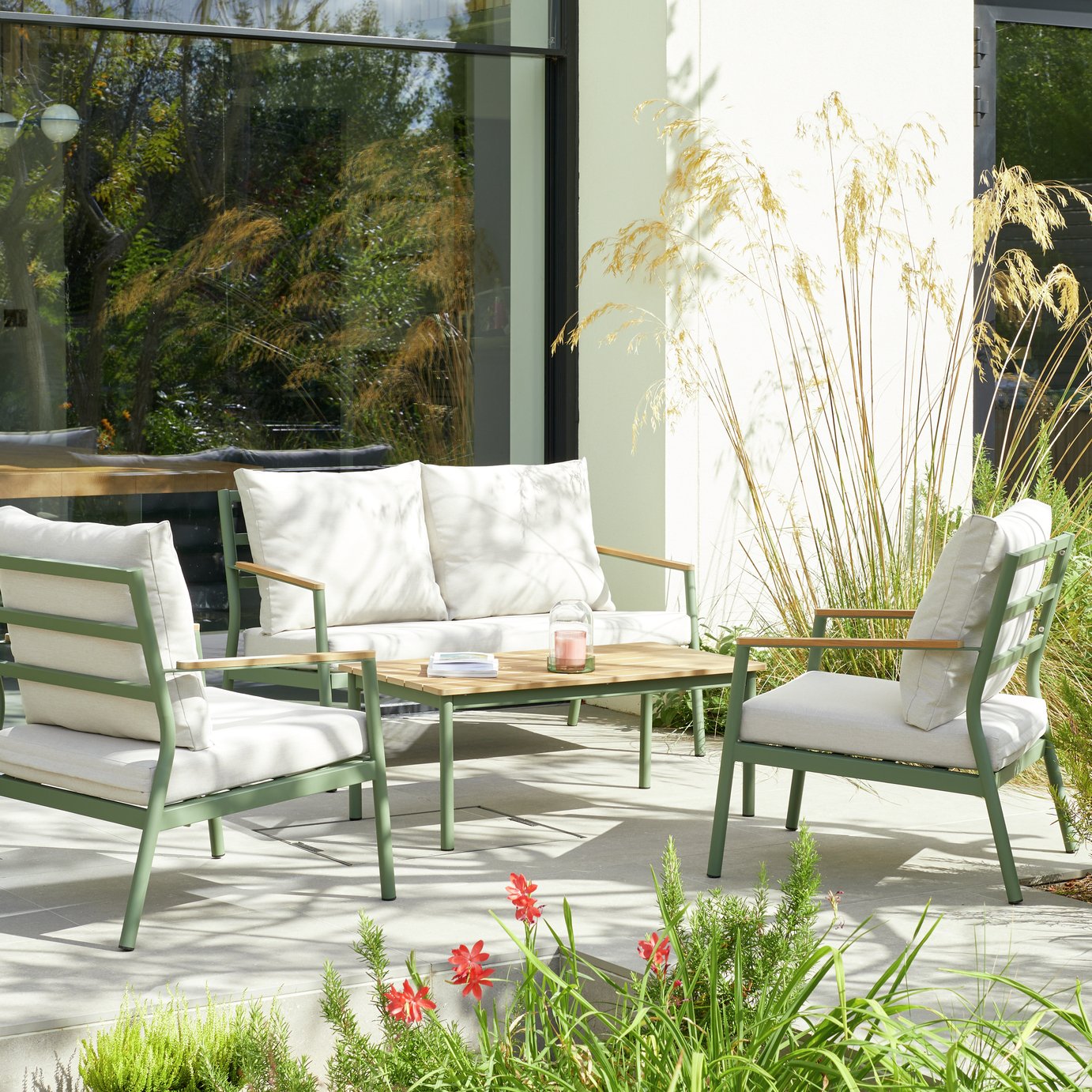
Why Low Maintenance Materials Define Modern Outdoor Living
The concept of a “low maintenance home” has evolved. It no longer means paving over a lawn or sacrificing comfort; rather, it involves leveraging modern material science to reduce the hours spent on upkeep. A sofa patio long term value for low maintenance homes is calculated not just by the initial purchase price, but by the hours of labor saved over a decade of ownership.
Professional-grade patio furniture distinguishes itself from entry-level, big-box store alternatives through its foundational engineering. Where a cheap set might require covering before every rainstorm, seasonal repainting, or immediate replacement of degraded cushions, professional-grade pieces are designed to be largely ignored until you are ready to sit on them.
The Hidden Costs of High-Maintenance Furniture
When evaluating an outdoor sofa, it is easy to be swayed by a low upfront price tag. However, the true cost of ownership becomes apparent after the first year. High-maintenance materials often require specialized chemical cleaners, rust-conversion treatments, replacement hardware, and heavy winter storage solutions. Conversely, choosing a sofa patio with durable materials minimizes these recurring expenses, keeping your energy and financial investments focused on enjoyment rather than preservation.
Sofa Patio Materials Comparison: What Actually Lasts?
Understanding the core construction of outdoor seating is the single most important step in your buying journey. A thorough sofa patio materials comparison reveals that not all “weather-resistant” claims are created equal. Here are the true stalwarts of the low-maintenance exterior furniture industry.
Powder-Coated Aluminum: The Lightweight Heavyweight
For modern, sleek, and structurally rigid designs, powder-coated aluminum is the industry standard. Unlike steel or wrought iron, aluminum cannot rust. When exposed to oxygen, it naturally forms a microscopic layer of aluminum oxide that protects the metal from further corrosion.
In professional-grade furniture, the aluminum frames are thick-walled and treated with a baked-on powder coating. This process creates an incredibly tough exterior that resists scratching, peeling, and blistering. From a maintenance perspective, cleaning requires nothing more than a gentle wash with mild soap and water.
High-Density Polyethylene (HDPE): The Eco-Friendly Innovator
Often referred to as poly lumber, High-Density Polyethylene is manufactured from recycled plastics, such as milk jugs and detergent bottles. It is heavily utilized in coastal areas due to its absolute immunity to salt spray, moisture, and rot.
HDPE is solid color throughout, meaning scratches are virtually invisible, and it never requires painting, staining, or sealing. Furthermore, the manufacturing process of recycled HDPE makes it a highly sustainable choice. If you are looking for an energy-efficient patio sofa for budget projects or eco-conscious builds, HDPE offers an incredible lifecycle. Its production utilizes recycled waste, and maintaining it requires zero harsh chemicals or energy-intensive pressure washing.
All-Weather Resin Wicker: Classic Aesthetics, Modern Engineering
Natural rattan and wicker will rapidly disintegrate when left outdoors. To capture that classic woven texture without the deterioration, manufacturers use synthetic resin wicker (often made from polyethylene).
The best patio sofa materials in the wicker category feature UV inhibitors blended directly into the resin before it is extruded, preventing the material from becoming brittle and snapping under the sun. High-quality synthetic wicker is woven over a rust-proof aluminum frame, creating a lightweight, exceptionally durable piece that can be hosed off when dirty.
Teak Wood: The Natural Exception
While most woods are considered high-maintenance, premium Grade-A teak is an exception. Dense and rich in natural oils, teak repels water and insects naturally. If you desire a low-maintenance wood option, teak fits the bill—provided you accept its natural aging process. Without regular oiling, teak will weather to a silvery-gray patina. If you appreciate this weathered look, teak requires very little actual maintenance beyond occasional cleaning to remove surface dirt.
Fabric and Cushion Core Considerations
Even the most indestructible frame is useless if the cushions hold water like a sponge and fade in a single season. The upholstery is just as critical to your low-maintenance goals as the frame.
Solution-Dyed Acrylic Fabrics
Professional outdoor sofas utilize solution-dyed acrylics, with brands like Sunbrella being the most recognized. Unlike printed fabrics where the color sits only on the surface, solution-dyed fibers are saturated with UV-stable pigments while the acrylic is in a liquid state. This means the color goes all the way through the thread, much like a carrot, rather than just on the outside, like a radish. These fabrics resist fading, mold, and mildew, and most stains can be cleaned with a simple bleach solution without damaging the color.
Reticulated Foam Cores
The interior of a low-maintenance cushion must shed water rapidly. Standard polyurethane foam acts like a sponge, retaining moisture and breeding mildew. Professional outdoor cushions use reticulated foam—a highly porous, open-cell material that allows water to flow straight through it, ensuring the cushion dries completely within a few hours of heavy rain.
Sofa Patio Maintenance Comparison: Time and Cost
When evaluating an energy-efficient sofa patio maintenance cost, consider the ongoing inputs required to keep the furniture viable.
-
Steel/Iron: High maintenance cost. Requires rust removal, repainting, and energy-intensive sanding.
-
Softwoods (Pine/Cedar): High maintenance cost. Requires annual sanding, sealing, or staining.
-
Teak (if maintaining golden color): Moderate maintenance cost. Requires specialized teak cleaners and regular oiling.
-
Powder-Coated Aluminum & Resin Wicker: Low maintenance cost. Requires only basic soap and a hose.
-
HDPE / Poly Lumber: Lowest maintenance cost. Impervious to almost everything; requires occasional wiping.
Tailoring Your Choice to Property Size and Budget
Your property’s layout and your intended use will dictate the configuration and scale of your outdoor furniture.
Top Rated Sofa Patio for Large Homes
Expansive decks and sprawling patios benefit from modular sectional sofas. Modular sets allow you to configure the seating to accommodate large gatherings, delineate distinct “outdoor rooms,” and anchor a vast exterior space. For large homes, heavy-duty aluminum or thick-cut teak frames offer the visual weight necessary to ensure the furniture doesn’t look dwarfed by the architecture.
Cost-Effective Sofa Patio for Small Homes
Balconies, narrow porches, and compact urban courtyards require intelligent space planning. A cost-effective sofa patio for small homes often focuses on multi-functional pieces. Look for two-seater loveseats with built-in side tables, or slim-profile aluminum frames that do not consume valuable square footage with bulky armrests. By choosing durable materials, even small-scale furniture can provide decades of reliable use without needing to be constantly replaced or stored indoors during bad weather.
Energy Efficient Sofa Patio for Budget Projects
If you are renovating an exterior space on a strict budget but refuse to compromise on longevity, focus on streamlined HDPE furniture or straightforward aluminum frame loveseats without complex wicker weaving. Opting for locally manufactured pieces can also reduce the carbon footprint and shipping costs associated with heavy outdoor furniture.
Sofa Patio Planning Guide for Rental Properties
Furnishing a short-term rental (like an Airbnb) or a long-term leased property introduces unique challenges. The furniture will face heavy, often careless use by guests who have no financial stake in maintaining it.
For property owners, investing in a professional-grade setup is vital to avoiding the negative reviews and replacement costs associated with broken or dilapidated outdoor seating. Heavy materials like HDPE are excellent for rentals because they are difficult for guests to accidentally move or drag across delicate decking, and they can withstand spilled drinks, sunscreen, and pool water effortlessly.
Sofa Patio Checklist for Rental Properties
Before finalizing a purchase for a rental, verify the following:
-
Frame Material: Is it rust-proof (aluminum or HDPE)?
-
Weight: Is it heavy enough to withstand high winds without being blown into windows or pools?
-
Cushions: Are they upholstered in dark or patterned solution-dyed acrylic to hide minor stains?
-
Fastenings: Does the furniture use marine-grade stainless steel hardware that won’t rust and snap?
-
Modularity: If a single armrest or seat cushion is damaged, can that specific part be ordered from the manufacturer, or does the entire sofa need replacing?
-
Warranties: Does the manufacturer’s warranty cover commercial or rental use?
Regional Weather Challenges: From Coastal Winds to Urban Sun
Your local climate should be the final arbiter of your material choice.
Consider a sofa patio for low maintenance homes in Auckland, an area known for variable weather, intense UV radiation, and proximity to salt air. In coastal environments like this, or comparable regions in Florida, Sydney, or Cornwall, powder-coated aluminum and HDPE are paramount. Salt air will corrode steel in months, and high UV indexes will shatter cheap plastics and fade standard fabrics in a single summer.
Conversely, in areas prone to heavy snow and ice (like Canada or the Midwestern United States), the furniture must withstand freeze-thaw cycles. Aluminum and poly lumber are impervious to freezing, meaning they can be left on the patio year-round without the risk of cracking, saving you the labor of moving heavy furniture into a garage every November.
What to Ask Your Retailer or Manufacturer Before Buying
To ensure you are truly getting a professional-grade, low-maintenance product, ask these key questions before completing a purchase:
-
What gauge is the aluminum? Look for thick-walled, extruded aluminum, not thin tubular metal that bends easily.
-
Is the wicker UV-stabilized? Confirm the UV protection is integrated into the resin, not just painted on.
-
Are the cushions made with reticulated foam? Standard foam will mold outdoors. Ensure the core allows for rapid water drainage.
-
Is the hardware marine-grade? The best frame in the world will fail if the screws and bolts rust. Ensure all hardware is 304 or 316-grade stainless steel.
-
What does the warranty explicitly cover? Check for frame failure, fabric fading, and wicker unspooling. A strong warranty (5 to 10 years or more) is a manufacturer’s vote of confidence in their own materials.
By prioritizing advanced material science and thoughtful engineering, you can secure a professional sofa patio that elevates your exterior design while drastically minimizing your weekend chore list. The right choice seamlessly blends commercial-grade durability with residential comfort, ensuring your outdoor living space remains a source of relaxation for years to come.
FAQ
What is the easiest patio furniture to maintain? High-Density Polyethylene (HDPE), often called poly lumber, and powder-coated aluminum are the easiest materials to maintain. They require no painting, sealing, or rust treatment, and can be cleaned easily with standard soap and water.
How long should a professional outdoor sofa last? A high-quality, professional-grade outdoor sofa made from durable materials like powder-coated aluminum, premium teak, or HDPE should last 10 to 15 years or more. High-performance cushion fabrics like solution-dyed acrylics generally maintain their color and integrity for 5 to 10 years.
Can I leave my outdoor sofa outside all winter? Yes, if it is made of weather-resistant materials. Aluminum, HDPE, and teak can withstand freezing temperatures and snow without structural damage. However, it is highly recommended to bring cushions indoors or use breathable, high-quality furniture covers to keep the setup clean and ready for spring.
Is it worth paying more for Sunbrella or similar performance fabrics? Absolutely. Standard outdoor fabrics will fade under UV light and are prone to mildew. Solution-dyed acrylic fabrics like Sunbrella are colorfast, water-resistant, and easy to clean (even with bleach), making them a critical component for long-term value.
What is the best outdoor furniture for a windy balcony or coastal property? For windy or coastal areas, heavier materials like HDPE, wrought aluminum (which is heavier than extruded aluminum), or thick teak are ideal to prevent blowing over. Ensure all metal components are rust-proof to combat salt air corrosion.
How do I clean an all-weather resin wicker sofa? Resin wicker is incredibly low maintenance. Simply use a soft bristle brush, mild dish soap, and warm water to loosen any dirt trapped in the weave, then rinse thoroughly with a garden hose. Avoid using high-pressure power washers, which can damage the synthetic fibers.