Upgrading a backyard with a dedicated, lounge-style seating area is one of the most effective ways to maximize outdoor living space. In a state known for its year-round sunshine and emphasis on indoor-outdoor living, the demand for high-quality exterior lounges is immense.
This comprehensive guide breaks down the variables that influence outdoor lounge pricing, how material choices impact long-term durability, and what homeowners need to know before breaking ground on their new exterior living space.
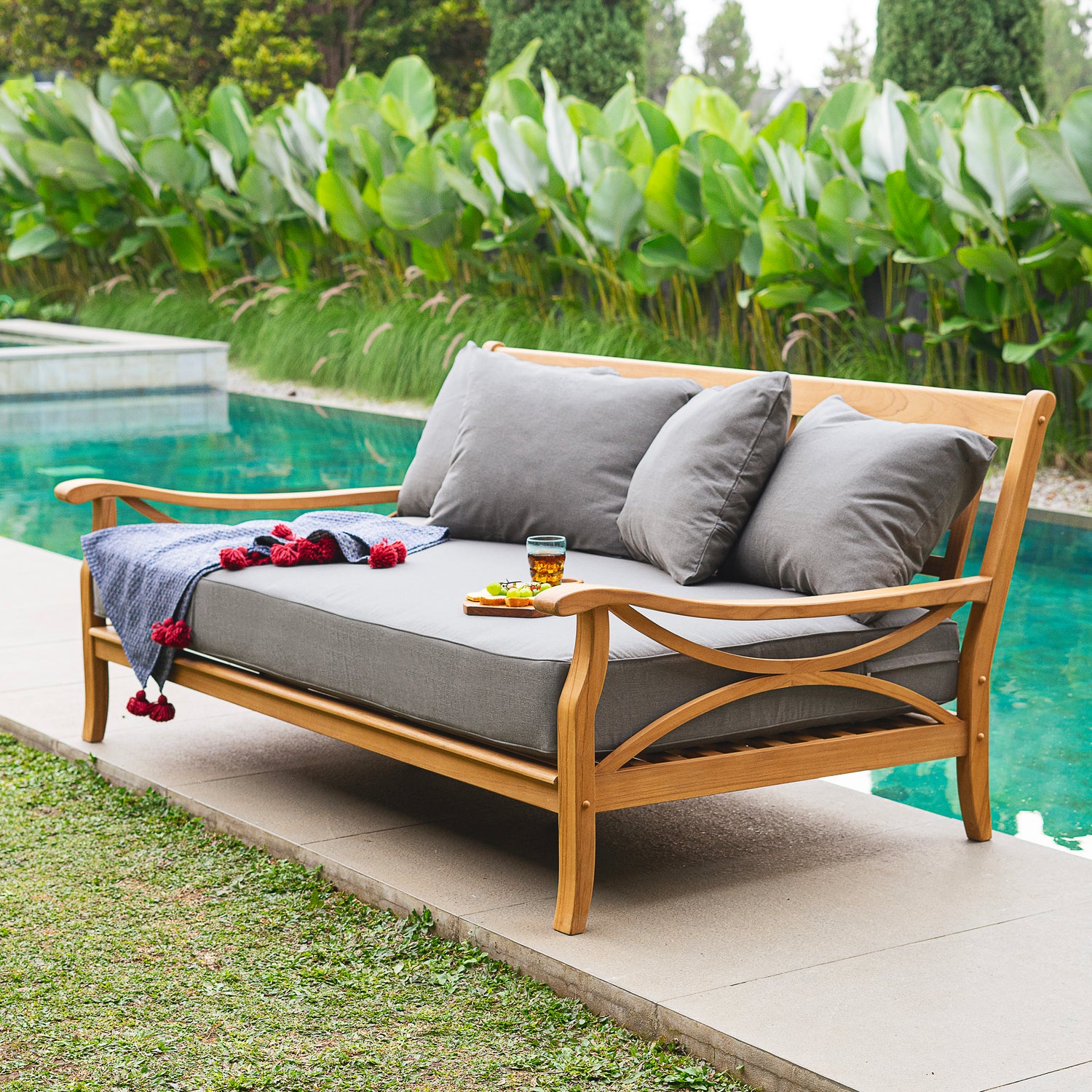
Understanding the Core Variables Behind Sofa Patio Pricing
Outdoor renovation costs are rarely based on a single flat fee. Instead, the final price tag is a culmination of site preparation, material selection, specialized labor, and municipal permit fees. To accurately estimate your project, you must first define the scope of what you are actually building.
The Difference Between Freestanding and Built-In Sofa Patios
The most significant factor driving your budget is the structural nature of the seating.
-
Freestanding Patios: This involves laying down a foundational surface—such as pavers, stamped concrete, or decking—and purchasing high-end, weather-resistant outdoor furniture to place on top. The costs here are split between the hardscaping contractor (who builds the patio floor) and the furniture retailer.
-
Built-In Sofa Patios: This is a fully integrated hardscape design where the seating structure itself is constructed from concrete, stone, or structural block. Custom cushions are then fabricated to fit the masonry. Because this requires specialized landscape architecture, structural engineering, and custom upholstery, the labor and material costs are significantly higher.
Evaluating the Sofa Patio Average Cost for Single-Family Homes
While exact figures fluctuate wildly based on local market rates (for instance, labor rates in the San Francisco Bay Area will differ from those in the Central Valley), the sofa patio average cost for single-family homes can be conceptualized through a standard formula.
Breaking Down the Formula
When a landscape contractor provides a quote for a comprehensive sofa patio project, they are typically calculating:
Base Site Preparation + Patio Surface Materials + Seating Construction + Custom Upholstery + Labor Hours + Permits & Local Fees = Total Project Cost.
For a standard single-family home requiring moderate yard grading, a mid-tier paver surface, and a moderately sized built-in L-shaped seating wall, the majority of the budget will be absorbed by skilled masonry labor and custom fabric fabrication.
The Sofa Patio Material Cost for Long-Term Durability
California’s intense summer sun and coastal salt air (in seaside regions) can be brutal on exterior materials. When planning your budget, prioritizing the sofa patio material cost for long-term durability is the most effective way to protect your investment. Choosing cheap materials will result in fading, cracking, and rot within a few short seasons.
Hardscape and Frame Materials
If you are constructing a built-in seating area, poured concrete and natural stone veneers offer the longest lifespan, completely resisting rot and insect damage.
If you are opting for freestanding modular seating, the frame materials matter immensely:
-
Powder-Coated Aluminum: Highly recommended for coastal California homes. It will not rust when exposed to salt air, and the powder-coated finish resists chipping and fading under high UV indexes.
-
Grade-A Teak: A dense, oil-rich hardwood that naturally repels water and insects. While it requires occasional oiling to maintain its warm color, it is incredibly durable and offers a premium aesthetic.
-
High-Density Polyethylene (HDPE): Often called poly-lumber, this material is made from recycled plastics. It is impervious to moisture, does not fade, and requires zero maintenance, making it a highly cost-effective option for long-term durability.
High-Performance Outdoor Upholstery
The most vulnerable part of any patio sofa is the soft seating. Standard polyurethane foam and cheap polyester covers will disintegrate under the California sun and breed mildew during the winter rainy season.
A premium outdoor lounge requires reticulated foam—an open-cell structural foam that allows water to drain straight through it—wrapped in solution-dyed acrylic fabrics (such as Sunbrella). In solution-dyed fabrics, the color is integrated into the liquid acrylic before the yarn is created, ensuring the fabric is fundamentally fade-resistant and can withstand cleaning with bleach. While these materials increase the initial quote, they eliminate the need to replace your cushions every two years.
The Sofa Patio Cost Per Square Foot for Long-Term Durability
Contractors often estimate initial hardscape and decking projects by the square foot. However, the sofa patio cost per square foot for long-term durability is rarely a linear calculation.
Site Preparation and Foundation Complexity
The square footage cost skyrockets if your yard is not perfectly flat. Installing a heavy built-in concrete sofa on a hillside requires extensive excavation, soil stabilization, and the construction of engineered retaining walls before the actual patio can even be poured.
Furthermore, a patio built for long-term durability requires a deeper, more robust sub-base. A contractor offering a drastically lower price per square foot may be skimping on the gravel base or rebar reinforcement. This shortcut inevitably leads to the patio settling, cracking, and shifting out of alignment after a few years of heavy rain and soil expansion.
California-Specific Construction Requirements
Building an outdoor living space in California involves navigating a unique set of municipal and environmental regulations that directly influence overall costs.
Permitting, Wildfire Codes, and Seismic Safety
Unlike minor landscaping projects, a permanent built-in sofa patio often requires municipal permits. If your project includes overhead shade structures (like a pergola attached to the seating area), gas lines, or electrical work, you will need municipal inspections.
In many parts of California, particularly near the wildland-urban interface (WUI), materials must comply with strict fire-resistance codes. This may limit your ability to use certain softwoods or composite decking materials, pushing you toward non-combustible materials like concrete, steel, and stone. Additionally, heavy masonry structures must be engineered to withstand seismic activity, requiring specialized reinforcement that adds to the base labor costs.
Comparing California Costs to Other Climates and Regions
To truly understand how local climate dictates outdoor construction costs, it is helpful to look at how contractors operate in different environmental extremes. The structural requirements that drive costs in California are vastly different from those in other regions.
The Pacific Northwest: Managing Heavy Precipitation
When comparing California’s market to the sofa patio pricing in Washington state, the primary cost driver shifts from UV protection and fire resistance to aggressive water management. The sofa patio labor cost for rainy climates is heavily influenced by the need for advanced drainage systems.
Contractors in high-precipitation zones must install extensive French drains, weeping tiles behind built-in seating walls, and highly porous base layers to ensure water does not pool and compromise the foundation. The materials used must be entirely rot-proof, with a heavy emphasis on customized, waterproof seating covers to protect the area during long, wet winters.
Northern Climates: Surviving the Freeze-Thaw Cycle
Building a professional sofa patio in Canada or finding sofa patio licensed contractors in Ontario involves an entirely different structural challenge: the freeze-thaw cycle. In these regions, any concrete foundation or structural footing must be dug deeply below the local frost line (often 48 inches or more).
International Outdoor Living Benchmarks
The demand for high-end exterior living is a global trend, and material costs are often tied to international supply chains. For example, the sofa patio cost in Melbourne reflects a very similar outdoor lifestyle to California, with similar demands for high-quality, UV-resistant fabrics and shading structures.
Conversely, the sofa patio pricing in Birmingham (UK) reflects a market heavily focused on rain mitigation, requiring materials that can withstand constant dampness without developing moss or rot.
Meanwhile, the sofa patio pricing in Auckland is driven by a unique combination of high UV exposure and harsh coastal winds. Creating a sofa patio for low-maintenance homes in Auckland requires heavy, wind-resistant frame materials (like thick structural aluminum or dense hardwoods) that won’t blow away, mirroring the requirements for homes along the rugged Northern California coast.
Analyzing the Sofa Patio Long-Term Cost
When planning your budget, it is critical to look past the initial construction estimate and evaluate the sofa patio long-term cost—or the Total Cost of Ownership (TCO).
The Hidden Costs of Cheap Alternatives
A budget-friendly patio built with untreated lumber and big-box store cushions may save you money today, but the long-term economics are poor. Within three to five years, standard foam will mold, cheap fabrics will disintegrate, and poorly sealed wood will rot.
When you factor in the cost of completely replacing the furniture, repeatedly buying specialized cleaning chemicals, and the sheer labor hours spent maintaining inferior materials, a cheap patio is incredibly expensive to own. Investing heavily upfront in powder-coated metals, structural masonry, and marine-grade fabrics effectively zeroes out your ongoing maintenance costs, preserving both your capital and your free time.
How to Hire the Right Local Professional
Because a high-end outdoor lounge straddles the line between landscaping and structural architecture, selecting the right contractor is paramount.
Questions to Ask Before Signing a Contract
Before hiring a company to build your California sofa patio, ask the following:
-
Who handles the permitting? A reputable licensed contractor will always pull the necessary local permits on your behalf.
-
How are you managing drainage around the seating? Listen for specific answers regarding slope gradients, weep holes in masonry, and sub-surface drainage systems.
-
What is the warranty on the masonry versus the upholstery? Custom fabricators should offer separate, clear warranties for the hardscape and the soft seating elements.
-
Are your materials compliant with local fire codes? This is especially critical if you live in a canyon or hillside community.
Comparing Bids and Quotes Effectively
When you receive multiple bids, do not automatically choose the lowest number. Carefully review the line items to ensure you are comparing equivalent scopes of work.
FAQ
Do I need a permit to build a built-in sofa patio in California? In most California municipalities, yes. If the project involves pouring a concrete foundation, altering the grading of your yard, building retaining walls, or running gas and electrical lines, you will need approved architectural plans and local permits.
What is the most durable material for an outdoor sofa in a sunny climate? For frames, powder-coated aluminum, high-density polyethylene (HDPE), and Grade-A teak are the most durable. For cushions, solution-dyed acrylic fabrics (like Sunbrella) paired with reticulated, open-cell foam are essential for resisting extreme UV fading and mold.
Why are custom outdoor cushions so expensive? Custom outdoor cushions require highly specialized, marine-grade materials that resist water, mold, and UV radiation.
How does building a patio on a hill affect the total cost? Building on a slope significantly increases costs due to the need for excavation, soil stabilization, and the construction of engineered retaining walls.