Equipping an outdoor living space is vastly different from furnishing an interior room. When a sofa is placed on a patio, it immediately battles ultraviolet radiation, moisture, temperature fluctuations, and organic growth. Because the environment is hostile, purchasing exterior seating without understanding the underlying material science often leads to a cycle of rapid degradation and costly replacements.
A thorough sofa patio materials comparison is the only way to ensure your investment aligns with your climate, budget, and willingness to perform weekend maintenance. This guide breaks down the true cost of outdoor lounge seating, compares the durability of leading materials, and explores whether it makes more financial sense to repair an aging setup or replace it entirely.
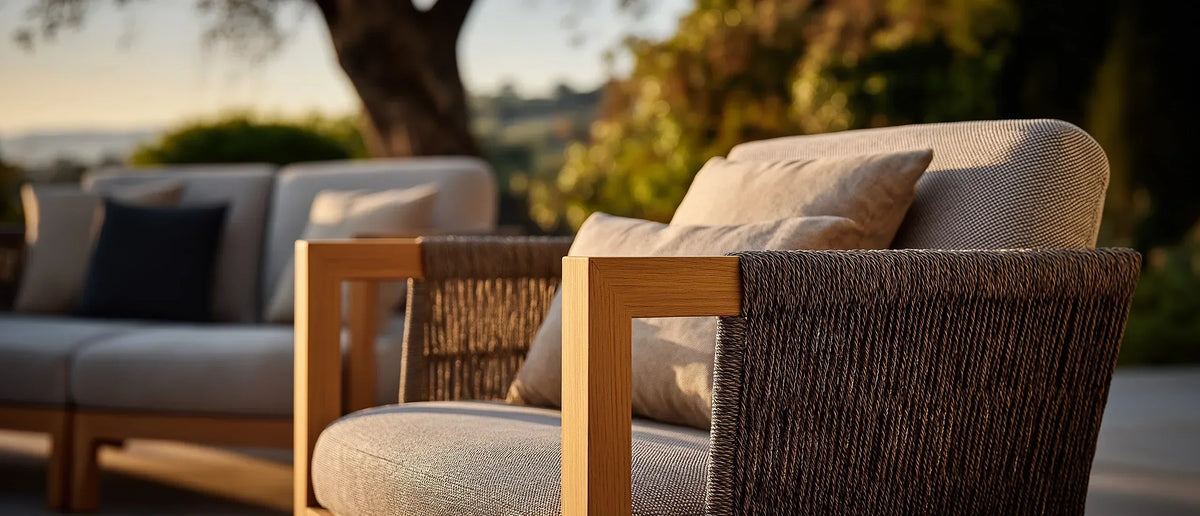
Analyzing the Sofa Patio Best Materials
No single material is universally perfect for every backyard. The sofa patio best materials for a humid, coastal property are entirely different from the ideal choices for an arid desert landscape. When evaluating frames, four primary contenders dominate the professional market.
Powder-Coated Aluminum: The Lightweight Standard
Aluminum is inherently rust-proof, making it an exceptional choice for outdoor environments. Professional-grade patio sofas utilize extruded, thick-walled aluminum treated with a baked-on powder coating. This finish resists scratching and prevents the metal from blistering under intense sun. It requires virtually no maintenance beyond a simple wash with mild soap and water.
High-Density Polyethylene (HDPE): The Zero-Maintenance Innovator
Often referred to as poly-lumber, HDPE is manufactured from recycled plastics. Because it is a dense, solid-color polymer, it is completely impervious to moisture, salt spray, and insects. It will never splinter or rot, and it requires no painting or sealing. HDPE is incredibly heavy, making it highly resistant to strong winds.
Grade-A Teak: The Natural Heavyweight
For homeowners who prefer an organic aesthetic, teak is the undisputed king of exterior woods. Teak is uniquely dense and packed with natural oils that repel water and prevent rot. While it is incredibly durable—often lasting decades—it does require maintenance. If left untreated, it will naturally weather to a silvery-gray patina. To maintain its warm, golden hue, it must be cleaned and treated with specialized teak oils annually.
All-Weather Resin Wicker: The Classic Aesthetic
Natural rattan wicker disintegrates rapidly when exposed to rain and sun. To solve this, manufacturers weave synthetic polyethylene resin over rust-proof aluminum frames. This provides the classic woven texture but offers high resistance to moisture and UV degradation.
Sofa Patio Pros and Cons by Material
When evaluating your options, consider these primary trade-offs:
-
Aluminum: Pros: Cannot rust, lightweight, easy to clean. Cons: Can blow over in high winds if too light; retains heat in direct, intense sunlight.
-
HDPE (Poly-Lumber): Pros: Impervious to water and salt, zero maintenance, heavy. Cons: Higher initial cost, rigid aesthetic compared to woven materials.
-
Teak: Pros: Unmatched natural beauty, lasts for decades, heavy and stable. Cons: Most expensive upfront, requires annual oiling to maintain color.
-
Resin Wicker: Pros: Lightweight, classic design, comfortable flex. Cons: Complex weave can trap dust and pollen, requiring careful hosing to clean.
Sofa Patio Price Comparison: Upfront vs. Sofa Patio Long-Term Cost
The sticker price of patio furniture can be deceiving. A budget-friendly pine or steel sofa set might cost 60% less than an aluminum or teak equivalent today, but the sofa patio long-term cost tells a different story.
Steel rusts rapidly, and softwoods (like pine) rot if not meticulously sanded and sealed every year. If you have to replace a cheap patio set three times over ten years, your total expenditure will vastly exceed the cost of buying a single premium HDPE or aluminum set that lasts the entire decade.
Sofa Patio Maintenance Comparison
The true cost of ownership includes your time and the cleaning products required. A sofa patio maintenance comparison reveals stark differences:
-
Low Maintenance: Aluminum and HDPE require nothing more than a bucket of soapy water and a sponge a few times a year.
-
Moderate Maintenance: Resin wicker requires regular hosing to prevent dirt buildup in the weave, and the cushions must be monitored for mildew if they are not made of high-performance acrylics.
-
High Maintenance: Teak (if keeping the brown color) and painted steel require specialized oils, rust-converters, sanding blocks, and significant labor hours annually.
Scaling Your Investment: Space and Property Type
How you intend to use the property should dictate where you allocate your budget.
Sofa Patio Cost Comparison for Large Backyards
Furnishing an expansive backyard requires a strategic approach to prevent the space from feeling empty. A sofa patio cost comparison for large backyards often involves evaluating modular sectionals versus built-in hardscaping.
For vast patios, custom-built concrete or masonry seating walls—topped with custom-fabricated outdoor cushions—are frequently the most cost-effective long-term solution. While the initial masonry labor is expensive, the permanent structure anchors the large space visually and will never blow away or need structural replacement. If opting for freestanding furniture, large modular aluminum sectionals offer the flexibility to reconfigure the seating for different events, though high-end configurations can easily exceed $10,000.
Sofa Patio Alternatives for Rental Properties
Furnishing a short-term vacation rental introduces unique wear-and-tear challenges. Renters will not treat the furniture gently. If a premium sofa patio is outside the budget, sofa patio alternatives for rental properties include commercial-grade HDPE Adirondack chair clusters or heavy poured-concrete benches with removable, easily washable slipcovers. Avoid fragile natural wicker or lightweight steel frames, which will quickly bend, rust, and trigger negative guest reviews.
Sofa Patio Repair vs Replacement for Modern Homes
Even high-end outdoor furniture eventually shows wear, primarily in the soft seating elements. When degradation occurs, homeowners face a critical decision: sofa patio repair vs replacement for modern homes.
When to Repair Your Patio Sofa
Repair is almost always the most cost-effective route if the frame is made of a premium material (aluminum, teak, or HDPE) and remains structurally sound.
-
Sling Replacement: If your aluminum chairs utilize fabric slings that have torn or sagged, replacing the slings is typically a fraction of the cost of buying new chairs.
-
Cushion Upgrades: If the frame is perfect but the cushions are flat and moldy, ordering custom replacement cushions utilizing reticulated (open-cell) foam and solution-dyed acrylic covers (like Sunbrella) will make the sofa better than new.
When Replacement is the Most Cost-Effective Choice
Replacement is necessary when the core structure has failed. If a steel frame has rusted through at the weld points, or if a wooden frame has developed deep, un-sandable rot, the sofa is structurally unsafe. Attempting to weld cheap tubular steel or patch rotted pine is a temporary fix that wastes money; in these cases, replacing the unit with a weather-resistant alternative is the only practical solution.
Installation and Assembly Logistics
For investment properties, how the furniture is installed matters just as much as what it is made of.
Sofa Patio DIY vs Professional for Rental Properties
When outfitting a rental, the sofa patio diy vs professional for rental properties debate usually favors professional assembly. If you order flat-pack outdoor furniture, the liability of ensuring every bolt is torqued correctly falls on you. If a chair collapses under a guest due to improper DIY assembly, the legal and financial repercussions are severe. Hiring licensed professionals to either build permanent masonry seating or assemble commercial-grade freestanding furniture ensures structural integrity and transfers the liability to insured experts.
Navigating Regional Climate Challenges
Your local weather patterns directly impact both material longevity and installation costs.
Sofa Patio Labor Cost for Rainy Climates
If you choose to build a custom masonry sofa patio, the sofa patio labor cost for rainy climates will be significantly higher than in arid regions. Contractors in wet environments must spend extensive labor hours engineering precise drainage. This includes installing French drains, grading the sub-base flawlessly, and integrating weep holes into the seating walls so water does not pool under the cushions. Skipping this intensive labor results in trapped water, severe mildew, and catastrophic freeze-thaw damage during the winter.
FAQ
What is the most durable material for an outdoor patio sofa?
High-Density Polyethylene (HDPE) and powder-coated aluminum are widely considered the most durable and low-maintenance materials for outdoor frames. They are completely impervious to rust and rot, making them ideal for long-term exterior exposure.
Is it cheaper to replace outdoor cushions or buy a new sofa?
If the frame is made of high-quality aluminum, teak, or HDPE and is structurally sound, it is almost always cheaper to order custom replacement cushions. However, if a cheap steel or wood frame is rusted or rotting, investing in new cushions is a waste of money, and full replacement is recommended.
What are the pros and cons of resin wicker patio furniture?
Resin wicker offers a classic, elegant aesthetic and is lightweight and relatively weather-resistant. The main con is that the complex woven texture can trap dust, pollen, and debris, requiring more frequent hosing and scrubbing than smooth aluminum or HDPE surfaces.
Are custom built-in concrete sofas expensive?
Yes, custom built-in masonry seating has a high initial cost due to the skilled labor, excavation, and foundational work required. However, because they essentially last forever and require zero structural maintenance, their long-term cost of ownership is often lower than repeatedly buying freestanding furniture.
What fabric is best for outdoor patio cushions?
Solution-dyed acrylic fabric, such as Sunbrella, is the industry standard for outdoor upholstery. Because the color pigment goes all the way through the fiber, it resists extreme UV fading, repels water, and can even be cleaned with bleach without losing its color.
Why do contractors charge more for hardscaping in rainy areas?
In wet climates, contractors must install complex water management systems to prevent structural failure. This includes precise yard grading, installing weeping tiles, and adding drainage gravel. This extra labor and material increases the overall cost but is mandatory to prevent water damage.